
The Photographer's Guide to Copyrighting Images: How to Protect Your Creative Work
29 December 2024
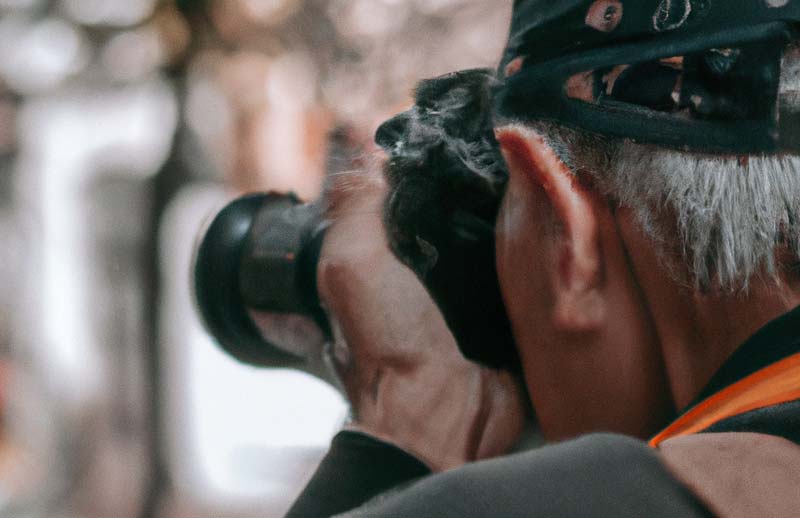
In the world of photography, your images are not just pictures - they are a reflection of your creativity and hard work. As a photographer, it is crucial to protect your artistic vision and ensure that others cannot profit from or use your work without permission. In this blog post, we will guide you through the process of copyrighting your images so that you can safeguard your creative endeavors and establish yourself as a respected professional in the industry. Let's dive into the essential steps every photographer should take to protect their valuable work!
What does copyright protect?
Copyright protects the original expression of ideas in tangible forms, such as photographs, paintings, drawings, and other visual arts. In simpler terms, it means that once you have captured an image through your camera lens, you automatically own the copyright to it.
As a photographer, your images are your source of income and livelihood. Copyright protection ensures that you have control over how they are used and distributed. It also allows you to profit from their commercial use by licensing or selling them. Without copyright protection, anyone can use your images without giving credit or compensation to you.
How do I obtain copyright for my images?
In most countries, including the United States and Canada, copyrights are automatically granted upon creation of an original work. This means that once you take a photograph and transfer it onto physical or digital media, it is protected under copyright law.
However, if you want stronger evidence of ownership in case of any disputes or infringements on your work's rights, you can register your images with the Copyright Office in your country.
How long does my image remain copyrighted?
Under current laws in most countries around the world (including USA), photographic works are protected for the life of the creator plus 70 years after their death. After which time they enter into public domain (free for anyone to use).
What can I do if someone uses my copyrighted image without permission?
If someone uses your copyrighted image without permission or proper attribution, you have the right to take legal action against them. You can send a cease and desist letter or file a lawsuit for copyright infringement. It is important to keep records of your image ownership, such as registration with the Copyright Office, to support your case in court.
Determining ownership rights
One of the key aspects of copyrighting images is understanding ownership rights. As a photographer, you have created unique and original works that deserve protection. However, there may be instances where determining ownership can become a bit complicated.
In general, the person who creates an image is considered the owner and has automatic copyright protection for their work. This means that as soon as you press the shutter button on your camera, you are the rightful owner of that image. However, there are some exceptions to this rule.
If you are working as an employee for a company or agency, your employer may hold the copyright for any images you create under their employment. This is known as "work made for hire" and it is essential to clarify in your contract who will own the rights to your work.
Another instance where determining ownership can be challenging is in cases of commissioned work. If a client hires you to take photos for them, they may assume they automatically own the rights to those images. It is crucial to have a clear agreement with your client regarding ownership before starting any project.
Additionally, if multiple people contribute creatively to an image (such as models, stylists, or designers), then there may be joint ownership of copyrights unless otherwise stated in contracts or agreements.
It's also worth noting that copyright laws vary between countries and regions. So if you plan on selling or licensing your images internationally, it's essential to familiarize yourself with local laws and regulations.
Including a copyright notice in your work
To avoid any confusion or disputes over ownership rights, it's best practice to include copyright notice on all of your images. This includes adding © symbol followed by your name and year on every photo shared publicly online or in print.
In case someone infringes upon your copyrighted work without permission or proper attribution, having a visible copyright notice can serve as evidence of intentional infringement in court proceedings.
Here are some key elements to consider when including a copyright notice in your work:
1. The © symbol:
The © symbol is universally recognized as the official mark for copyright. It should be
placed at the beginning of the notice, followed by the year of publication and the name of the copyright owner.
2. The year of publication:
The year of publication indicates when your photograph was first made available to the public.
This information is important as it establishes when your copyright protection began.
3. The name of the copyright owner:
As a photographer, you are automatically considered the owner of any images you create
unless they were commissioned or created under an employment agreement. In those cases, the employer or client would hold the copyright.
4. All Rights Reserved:
It is recommended to include "All Rights Reserved" after your name and before any other information
in your copyright notice. This phrase communicates that you reserve all rights associated with your image and prohibits others from using it without permission.
5. Optional additional information:
Depending on where you live, there may be specific requirements for what must be included in
a copyright notice. For example, in Canada, photographers must also include their full legal name and contact information along with their business address or web address if applicable.
6. Placement on photograph:
Your copyright notice should be clearly visible on each image you want to protect, preferably near
but not covering any important elements within the frame.
7. Watermarking:
Some photographers choose to add a watermark containing their name and/or logo over their images for added
protection against unauthorized use.
Including a copyright notice in all of your work can serve as a deterrent against potential copyright infringement and also makes it easier to prove ownership in the event of a legal dispute. It is important to note that while including a copyright notice is not required for your work to be protected, it is highly recommended as an added layer of security.
Proving ownership of your images
Proving ownership of your images is a crucial step in protecting your creative work. As a photographer, it is important to establish and maintain proof of ownership for each and every one of your images. This not only ensures that you are the rightful owner of your photographs, but also serves as evidence in case of any copyright infringement.
One way to prove ownership is by using metadata embedded within your digital images. Metadata includes information such as the date, time, and location the photo was taken, as well as camera settings and even keywords or descriptions. By ensuring that this information is present in every image file, it becomes easier to prove that you are the creator and owner of the photograph.
Keeping detailed records can also serve as proof of ownership for photographers. This includes keeping track of when and where each image was taken, what equipment was used, and any relevant contracts or agreements made with clients or models involved in creating the photograph.
In some cases, social media platforms can also serve as evidence for proving ownership. If you regularly post your images on social media sites like Instagram or Facebook, these posts can act as timestamps showing when you first shared the photograph online.
It's important to keep copies of all correspondence related to each image including emails, licensing agreements, and contracts. These documents can also serve as evidence of ownership in case of any copyright disputes.
Keeping records of creation and publication dates
One of the most important aspects of copyrighting your images is keeping proper records of your creation and publication dates. These dates are crucial in proving that you are the original creator of the image and have established ownership over it.
To begin, it is essential to keep a record of when you first created the image. This can be done by saving the original file with a specific date or by taking note of the date in a journal or spreadsheet. It is also beneficial to include any drafts or versions of the image to show its evolution from concept to final product.
In addition, documenting when you first published or shared your image is equally important. This includes posting on social media, showcasing in exhibitions, or selling prints. If someone were to claim ownership over your work, having evidence of when it was first published can help strengthen your case.
Furthermore, it is essential to maintain a consistent method for organizing and storing these records. This could be through physical copies such as journals or folders or digitally through cloud storage platforms like Google Drive or Dropbox. Whichever method works best for you, make sure to regularly update and back up these records so they are easily accessible if needed.
It's also worth noting that keeping records not only applies to individual images but also extends to projects and series as well. If you have multiple images related by theme or concept, document when each one was created and published as a collection.
Using Copyright Solved to protect your photography
We offer a service to photographers that helps you prove ownership of your images by providing a dated digital certificate. This is then linked to a file on our servers (stored securely) and a timestamped record in our database. The data contains all the information about your photo, who created it and the the date and time of upload. It will help protect your work for years to come.
Register with Copyright Solved now to start your protection journey.