
How Long Does Music Copyright Last?
30 March 2026
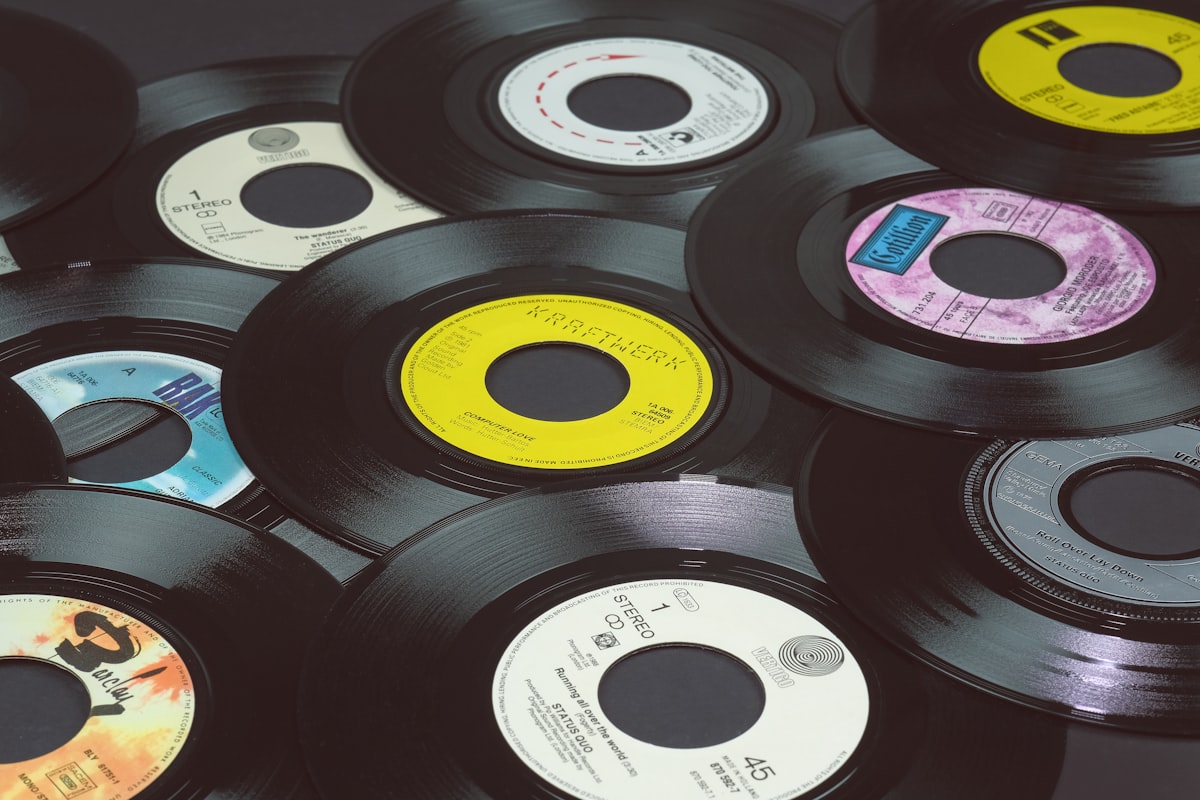
Copyright duration is one of those things every songwriter and musician assumes they understand until they actually need the specifics — for a sync deal, a sample clearance, or just settling a question about whether an old recording is fair game to use. Here's a clear breakdown of how long music copyright actually lasts.
Two Separate Copyrights, Two Separate Clocks
As with sampling, music carries two distinct copyrights — the composition (melody, lyrics, structure) and the sound recording (the specific captured performance) — and each can run on a different timeline. This matters because a composition might be old enough to be public domain while a specific recording of it still isn't, or vice versa in some jurisdictions.
Composition Copyright: Life Plus 70 Years
In most major markets, including the US, UK, and EU, copyright in a musical composition lasts for the life of the songwriter plus 70 years after their death. For a song with multiple co-writers, the term is generally calculated from the death of the last surviving writer. After that period, the composition enters the public domain and can be used, performed, or recorded by anyone without permission.
Sound Recording Copyright: Often Shorter
Sound recording copyright terms vary more by country. In the UK and EU, sound recordings are typically protected for 70 years from the date of release. In the US, the rules are more complex due to historical changes in law, with different terms applying depending on when a recording was made — pre-1972 recordings are governed by a separate, more complicated set of rules entirely.
"Work Made for Hire" Can Change the Clock
If a song was created as a work for hire — for example, written by an employee as part of their job, or under certain commissioned arrangements — the duration is often calculated differently, based on a fixed number of years from publication or creation rather than the life of an individual author. This is one of the reasons it matters to clarify ownership and authorship terms upfront, as discussed in our guide to co-writing and copyright ownership.
What Happens When Copyright Expires
Once a composition or recording's copyright term ends, it enters the public domain. Anyone can perform it, record a new version of it, sample it, or use it commercially without needing permission or paying royalties. This is why so many film scores and adaptations lean on classical and older folk compositions — the underlying composition copyright has long since expired.
Why This Matters for Sampling and Reuse
Before assuming an old recording is "safe" to sample or reuse because it sounds old, check both copyrights separately. A century-old composition might be public domain, but a specific 1960s recording of it could still be protected for decades. This nuance trips up a lot of producers — see our guide to sampling and copyright for more on what clearance is actually required.
Protecting Your Own Work for the Long Term
Whatever the legal term turns out to be, the strength of your copyright claim during your lifetime depends heavily on being able to prove when you created a work. A timestamped certificate — generated by hashing your file and recording the exact date and time of upload — gives you that proof from day one, and remains valid for as long as your copyright lasts.
Register with Copyright Solved now to start your protection journey.