
10 techniques to make your artwork stand out
26 January 2025
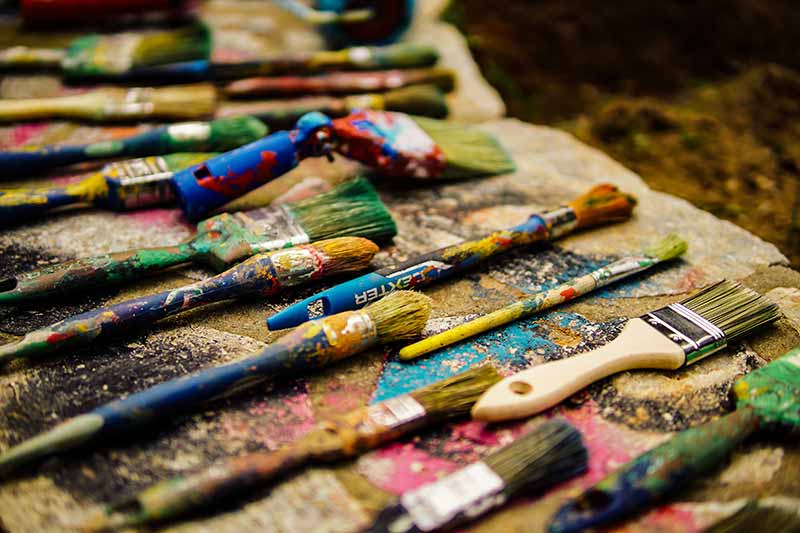
Are you looking to take your artwork to the next level and make it stand out from the crowd? Whether you're a seasoned artist or just starting on your creative journey, mastering techniques that make your art pop is essential. Let's dive into 10 game-changing techniques that will elevate your artwork and captivate viewers like never before!
Choose a Unique Subject or Perspective
Instead of sticking to conventional themes, dare to explore the unconventional. Look for inspiration in everyday life – from nature's beauty to urban landscapes. Consider how you can bring a fresh perspective to familiar subjects.
Think about what sets your artwork apart from others. How can you infuse your own personal experiences and interests into your creations? Your unique voice and viewpoint are what make your art truly special. Don't be afraid to push boundaries and challenge traditional norms.
Experiment with different angles, colors, and compositions. Embrace diversity in your subject matter – it could be anything from abstract concepts to specific cultural references. By choosing a distinctive subject or perspective, you not only set yourself apart but also invite viewers to see the world through new eyes.
Experiment with Different Mediums and Techniques
Try using unconventional tools like coffee grounds for texture or a palette knife for unique strokes. Don't limit yourself to traditional paints – explore mixed media, digital art, or even sculpture.
Mixing watercolors with ink or acrylics can create stunning effects. Use techniques like splatter painting, sgraffito, or layering to add depth and interest to your pieces.
Push the boundaries of what you're comfortable with – blend realism with abstract elements, combine photography with hand-drawn elements. The possibilities are endless when you allow yourself to think outside the box.
Embrace the process of trial and error – not every experiment will be a success, but each one will teach you something valuable about your craft. Experimentation is key to finding your unique artistic voice and style.
Incorporate Personal or Cultural Elements
Drawing inspiration from your own experiences, memories, or heritage allows you to infuse a unique perspective into your art.
Whether it's using symbols that hold personal significance or drawing on traditional motifs from your culture, integrating these elements can make your artwork more authentic and engaging. Embracing who you are and where you come from through your art can resonate with viewers on a deeper level.
By weaving personal narratives or cultural references into your work, you have the opportunity to connect with others who may share similar backgrounds or stories. It creates a sense of relatability and allows for richer storytelling within your art.
Don't be afraid to showcase aspects of yourself or your heritage in your artwork – it can set you apart as an artist and create a powerful connection with those who experience your creations.
Use Bold Colors and Contrast
Bold colors can grab the viewer's attention and evoke strong emotions. Experiment with vibrant hues to create a visually striking piece that demands attention.
Contrast adds depth and visual interest to your artwork. By juxtaposing light and dark shades or complementary colors, you can make certain elements pop while adding dimension to your composition. Don't be afraid to play with different color combinations and intensities.
Whether you're working on a painting, sculpture, or digital art, incorporating bold colors and contrast can elevate your work from ordinary to extraordinary. Dare to be adventurous in your color choices and embrace the impact they have on your artistic expression.
Play with Texture and Dimension
Texture and dimension can add a whole new layer of depth to your artwork, making it visually captivating and intriguing. Experimenting with different textures like rough, smooth, or even glossy surfaces can create a tactile experience for the viewer. By incorporating various materials such as fabric, sand, or metal into your piece, you can elevate its sensory appeal.
Playing with dimension involves adding layers or elements that pop out from the canvas, creating an illusion of space and movement. This technique can draw the viewer in and make them feel like they are part of the artwork itself. Whether through collage work, sculptural additions, or intricate detailing, exploring dimension opens up endless possibilities for creativity.
Don't be afraid to mix and match textures or experiment with unconventional materials to achieve unique effects in your art pieces. Pushing boundaries and thinking outside the box when it comes to texture and dimension can truly make your artwork stand out in a crowded artistic landscape.
Utilize Negative Space
Negative space refers to the empty or open spaces around and between the subjects of your art. It's not just about what you draw or paint; it's also about what you don't.
By incorporating negative space effectively, you can create a sense of balance, harmony, and intrigue in your compositions. It allows the viewer's eyes to rest and appreciate the relationships between different elements in your artwork.
Think of negative space as the breathing room for your art. It can help emphasize the main subject, add depth and dimension to your piece, and guide the viewer's attention where you want it to go.
Don't underestimate the power of emptiness in art - sometimes less is truly more. Experiment with using negative space creatively in your work and see how it can elevate your artistic expression.
Tell a Story or Convey Emotion
Art has the power to evoke emotions and tell compelling stories without uttering a single word. When creating your artwork, think about the narrative you want to convey or the feelings you aim to stir within your audience. Whether it's capturing a moment of joy, expressing inner turmoil, or reflecting societal issues, infuse your art with emotion that resonates with viewers on a deeper level.
Consider incorporating personal experiences or drawing inspiration from cultural heritage to add authenticity and richness to your pieces. By tapping into your own emotions and background, you can create art that is not only visually striking but also deeply meaningful. Let every brushstroke or sculptural detail speak volumes about the story you wish to tell.
Through subtle nuances in color choice, composition, and symbolism, artists can communicate complex narratives and evoke specific feelings in their audience. Allow your creativity to flow freely as you explore different ways to imbue your artwork with emotion and storytelling elements. Remember, art has the incredible ability to transcend language barriers and connect people through shared human experiences.
Collaborate with Other Artists
Collaborating with other artists can bring a whole new dimension to your artwork. It's an opportunity to exchange ideas, learn from each other, and create something truly unique together. Working with someone else can inspire you in ways you never thought possible.
When collaborating, be open-minded and willing to compromise. Each artist brings their own style and perspective to the table, so embrace the differences and find common ground in your creative process. Communication is key - make sure to discuss your vision, goals, and expectations openly with your collaborator.
Whether it's a joint project or a series of individual pieces that complement each other, collaboration can push you out of your comfort zone and challenge you to think differently about your art. It's a chance to grow as an artist and expand your artistic horizons.
Promote Your Art Effectively
Promoting your artwork effectively is crucial in gaining visibility and recognition in the competitive art world. Utilize social media platforms to showcase your pieces, engage with followers, and reach a wider audience. Collaborate with influencers or art enthusiasts who can help promote your work to their followers.
Participate in art exhibitions, fairs, and events to network with other artists and potential buyers. Create a professional website or online portfolio where people can easily view and purchase your artwork. Consider offering promotions or discounts to attract new customers and retain existing ones.
Don't underestimate the power of word-of-mouth marketing – encourage satisfied customers to spread the word about your art. Engage with local communities by hosting workshops, talks, or pop-up shows to connect with people on a personal level. Remember that promoting your art is an ongoing process that requires creativity, consistency, and dedication.
Conclusion: Don't Be Afraid
Don't be afraid to step out of your comfort zone and try new techniques in your artwork. Embrace the uniqueness of your perspective and let your creativity shine through. By implementing these 10 techniques, you can make your art stand out from the crowd and leave a lasting impression on viewers. Remember, art is a reflection of who you are as an artist, so don't hold back - express yourself boldly and authentically. Keep honing your craft, pushing boundaries, and exploring new possibilities. The world is waiting to see what you have to offer!