
Sync Licensing: Getting Your Music into Film, TV and Ads
2 September 2026
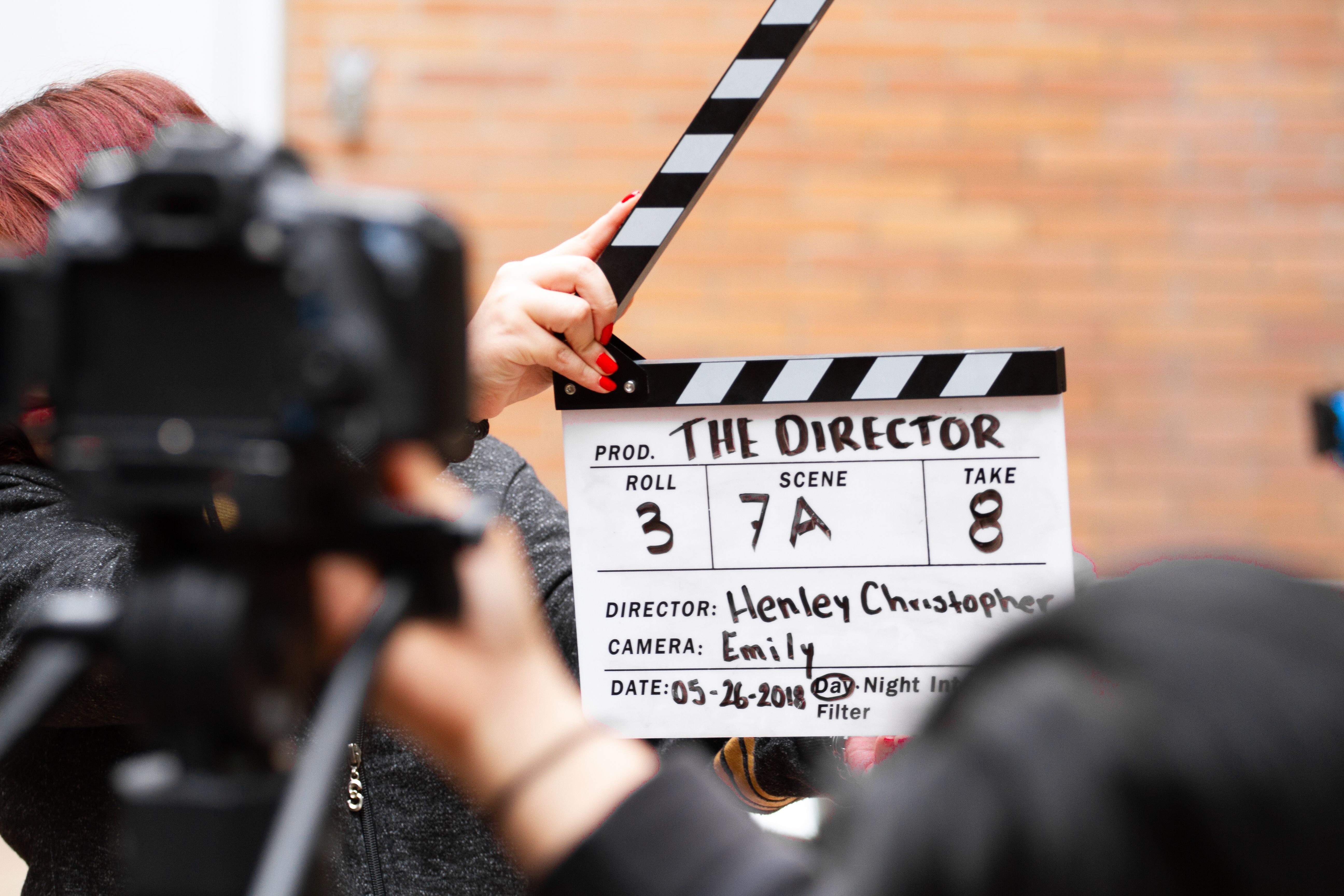
Photo by Martin Lopez on Pexels
Getting a song placed in a film, TV show, advert or trailer — a "sync" — can be one of the most valuable things that happens to an independent track. But sync deals move fast, and music supervisors won't wait around for messy paperwork. Here's how the process actually works.
The Two Licences a Sync Deal Actually Needs
Every sync placement requires two separate licences: a synchronization licence for the composition (melody and lyrics) and a master use licence for the specific recording. If you wrote and recorded the track yourself, you control both — which makes you an easier, faster "yes" for supervisors.
Who Needs to Say Yes
Every songwriter, co-writer and rights holder with a stake in the composition needs to agree to the placement. If ownership was never clearly split or documented, a single unreachable or unclear co-writer can hold up — or kill — a deal entirely.
Why Unclear Ownership Kills Sync Deals
Music supervisors work on tight deadlines and need to be certain a track is fully cleared before they can use it. Any ambiguity over who owns what is usually enough for them to move on to the next song on their list, rather than wait for it to be resolved.
Getting Your Catalogue Sync-Ready
Keep clean, dated records for every track: who wrote what, agreed ownership splits, and instrumental versions available on request. Supervisors often need to move within days, so having this ready in advance — rather than scrambling when an opportunity appears — matters.
What You Can Expect to Be Paid
Sync fees vary hugely depending on the use — a national ad campaign pays very differently to a small independent film — but you're generally entitled to a licence fee plus ongoing performance royalties whenever the placement airs.
How Proof of Creation Speeds Up the Process
A timestamped record of when you created and finished a track gives supervisors and legal teams confidence that ownership is clear, without needing to chase further documentation — which can be the difference between landing the placement and losing it to a song that was ready to go.
Register with Copyright Solved now to start your protection journey.