
AI Voice Cloning: Protecting Your Voice and Vocal Style
18 April 2026
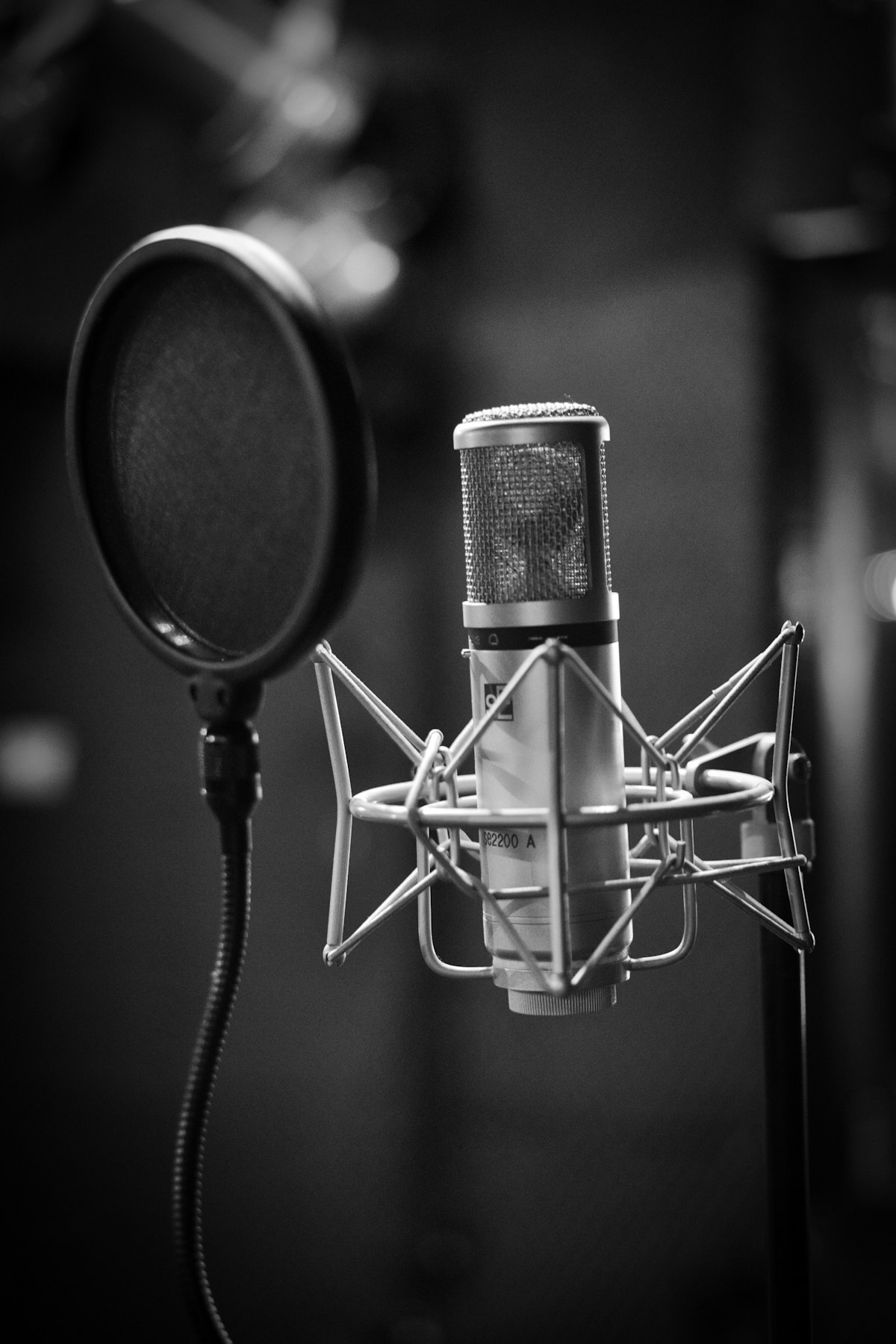
AI voice cloning has gone from novelty to genuine threat for musicians remarkably fast. Tools can now recreate a recognisable singing voice from just a few seconds of audio, raise serious legal grey areas, and put songwriters and vocalists in an uncomfortable new position. Here's what you need to know.
What AI Voice Cloning Actually Does
Modern voice cloning tools analyse a short sample of someone's voice and generate new audio that mimics its tone, timbre, and singing style — sometimes well enough to convincingly "perform" a song the original artist never recorded. This has already led to viral fake tracks featuring cloned voices of well-known artists, without their knowledge or consent.
The Legal Grey Area
Copyright law protects specific recordings and compositions, but a voice itself — its tone, style, and characteristic sound — isn't always clearly covered by copyright in the way a song is. Some jurisdictions are introducing "right of publicity" or voice-likeness protections specifically to address this gap, but the law is still catching up to the technology, and protections vary significantly by country.
What This Means If You're a Musician
If someone clones your voice to create a fake performance — putting words in your mouth, or generating a "new" song in your style — you may have several possible avenues for action depending on your jurisdiction: copyright claims if actual recordings were used to train the clone without permission, right of publicity or personality rights claims, or platform takedown requests citing impersonation or misuse of likeness. None of these are guaranteed to be straightforward, which makes prevention and documentation especially important.
Protecting Your Voice Proactively
While you can't fully prevent someone from attempting to clone your voice, you can strengthen your position if it happens. Keep clear, dated records of your official releases and performances. If you're concerned about a specific platform or AI tool training on your recordings, check their opt-out policies — many AI companies now offer a way to request exclusion, though enforcement varies.
The Connection to AI Training More Broadly
Voice cloning is part of a much larger issue: AI tools training on creative work, including recordings, lyrics, and compositions, often without clear consent or compensation. This raises overlapping questions about consent, attribution, and compensation that go beyond voice alone — covered in more depth in our guide to AI and copyright.
Documenting Your Original Work Matters More Than Ever
In a world where AI-generated fakes are increasingly convincing, having an independently verifiable, timestamped record of your genuine releases is one of the clearest ways to establish what's actually yours. A timestamped certificate — created by hashing your file and recording the exact date and time — gives you a documented, tamper-evident record that predates any later dispute over what you did or didn't record.
What to Do If You Discover a Cloned Track
Document where you found it, when it was posted, and how it's being used or monetised. Many platforms now have specific policies for AI-generated impersonation — file a report citing these explicitly. If the cloned track is being used commercially or causing reputational harm, it's worth seeking legal advice given how quickly the law in this area is evolving.
Register with Copyright Solved now to start your protection journey.